I was listening to meditative music as I wrote this review, because it doesn't draw my attention away from the task at hand.
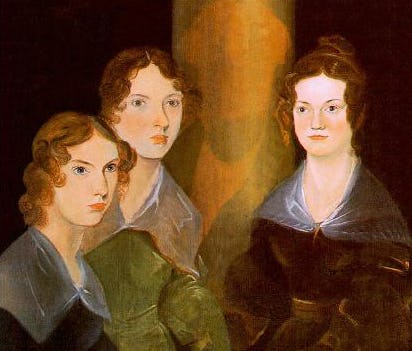
Here is another group of short reviews. I read or listened to all of them on Hoopla, except the last, so I don't have any photos of the books. So instead, here is a lovely, yet random photo of a postcard I sent. I'd like to paint it in acrylic.


Fascinating, if unflattering narrative on the life of Skip
James, but also other blues performers of the early part of the century,
their comeback in the 60s as white audiences discovered their love for
the blues and their impact on the history and culture of American and
also global music.
The author met with and befriended Skip James and was intimately involved with the Blues revival of the sixties. He reveals that many of these musicians led extremely rough, even lawless lives. Their relationships with white people throughout the South was far more complex than how it is often portrayed in today's media.
The author also showed how the Blues Revival of the sixties wasn't necessarily profitable for these blues musicians. Many of the managers and record companies took advantage of them, making money for themselves, but not the blues musicians themselves.
I'd Rather be the Devil, not only provides a historical chronology, but delves into the rich, old culture of the South and Southern black people, combining their religious beliefs, intertwined with superstitions that preceded the introduction to Christianity and the hard determined grit the was necessary for survival in those pre-civil rights days.
The author met with and befriended Skip James and was intimately involved with the Blues revival of the sixties. He reveals that many of these musicians led extremely rough, even lawless lives. Their relationships with white people throughout the South was far more complex than how it is often portrayed in today's media.
The author also showed how the Blues Revival of the sixties wasn't necessarily profitable for these blues musicians. Many of the managers and record companies took advantage of them, making money for themselves, but not the blues musicians themselves.
I'd Rather be the Devil, not only provides a historical chronology, but delves into the rich, old culture of the South and Southern black people, combining their religious beliefs, intertwined with superstitions that preceded the introduction to Christianity and the hard determined grit the was necessary for survival in those pre-civil rights days.

I have really grown to like Agatha Raisin. She's so human,
yet so likable. I have not read these books in order, but this is the
first mystery. Agatha Raisin moves from London, her job in advertising,
to the Cotswolds for a peaceful life.
It does not turn out as she expects. The people of the village are politely cordial, but nothing else. No one befriends her and soon Agatha is homesick and lonely. She decides to take the bull by the horns and get involved in village society. She begins to attend church, largely because the vicar's wife, Mrs. Bloxby has been the only person to show genuine friendship to her. She then becomes involved in several church functions.
This brings her to the Quiche competition. Agatha can't boil water, so she decides to cheat. She goes out and buys a quiche and presents it to the judges. It doesn't win, but the judge and his wife offer to take it home and finish it off. Agatha, disappointed and depressed, shruggingly lets them.
The next day, the judge is found dead. Poisoned by cowbane that was found in the quiche. Now what is Agatha to do? Admit she cheated, or be suspected of murder?
The mystery is fun, but so are all the characters as Agatha gets to know her neighbors and they get to know her. Many of the characters travel from book to book with Agatha, so they become like old friends to the reader.
It does not turn out as she expects. The people of the village are politely cordial, but nothing else. No one befriends her and soon Agatha is homesick and lonely. She decides to take the bull by the horns and get involved in village society. She begins to attend church, largely because the vicar's wife, Mrs. Bloxby has been the only person to show genuine friendship to her. She then becomes involved in several church functions.
This brings her to the Quiche competition. Agatha can't boil water, so she decides to cheat. She goes out and buys a quiche and presents it to the judges. It doesn't win, but the judge and his wife offer to take it home and finish it off. Agatha, disappointed and depressed, shruggingly lets them.
The next day, the judge is found dead. Poisoned by cowbane that was found in the quiche. Now what is Agatha to do? Admit she cheated, or be suspected of murder?
The mystery is fun, but so are all the characters as Agatha gets to know her neighbors and they get to know her. Many of the characters travel from book to book with Agatha, so they become like old friends to the reader.

It's funny, but with Beaton's Hamish MacBeth mysteries, one
knows who is going to be topped off almost from the get go. It's the
most odious, disgusting individual who acts in a way that makes everyone
want to kill them.
From this foundation, one then has to get to know all the suspects and find out who ultimately did it and what their reasons were for doing so. As in previous MacBeth mysteries I've read, even though the murder victim may be obvious, the murderer is not, nor are their reasons.
In Death of a Greedy Woman, a group of tourists come up from England to take a holiday at the local hotel. They are not just any group of tourists, but clients of Checkmate, a match up site. An equal number of men and women are going to spend the week together and hopefully pair off.
The monkey wrench is that one of the partners, Peta, of Checkmate is an ogre. Or at least her eating habits are ogre-ish. The other partner, Maria, actually was hoping to pull the gathering off without Peta's knowledge. Peta finds out however, and joins the group at Priscilla Halburton-Smythe's father's hotel and restaurant. The group, which was already disliking each other, find themselve in solidarity in their disgust of Peta.
In addition to the murder we see the ongoing relationship between Hamish MacBeth and Priscilla. There are bumps along the road as they continue to misunderstand each other, but I suppose that is what keeps the reader coming back. Will Hamish and Priscilla ever meet each other half way?
From this foundation, one then has to get to know all the suspects and find out who ultimately did it and what their reasons were for doing so. As in previous MacBeth mysteries I've read, even though the murder victim may be obvious, the murderer is not, nor are their reasons.
In Death of a Greedy Woman, a group of tourists come up from England to take a holiday at the local hotel. They are not just any group of tourists, but clients of Checkmate, a match up site. An equal number of men and women are going to spend the week together and hopefully pair off.
The monkey wrench is that one of the partners, Peta, of Checkmate is an ogre. Or at least her eating habits are ogre-ish. The other partner, Maria, actually was hoping to pull the gathering off without Peta's knowledge. Peta finds out however, and joins the group at Priscilla Halburton-Smythe's father's hotel and restaurant. The group, which was already disliking each other, find themselve in solidarity in their disgust of Peta.
In addition to the murder we see the ongoing relationship between Hamish MacBeth and Priscilla. There are bumps along the road as they continue to misunderstand each other, but I suppose that is what keeps the reader coming back. Will Hamish and Priscilla ever meet each other half way?

There is very little known about Josephine Tey, but Henderson does a good job gathering what facts are available and intertwining them with an analysis of her work, both as a playwright, historian and mystery writer.